Pitshanger Lane house removals local tips for tight streets
Posted on 19/06/2026

Pitshanger Lane House Removals Local Tips for Tight Streets
If you are planning a move on or near Pitshanger Lane, you already know the main challenge is not the packing box mountain in the hallway. It is the street itself. Narrow sections, parked cars, awkward turning space, and the classic London "just one van will do" assumption can turn a simple house move into a slow, stressful day. This guide to Pitshanger Lane house removals local tips for tight streets is written to help you avoid that chaos, plan with a bit more confidence, and make the whole job feel manageable rather than messy.
Truth be told, tight streets do not reward guesswork. They reward preparation, the right vehicle, and a removal plan that respects the road as much as the property. Below, you will find local advice, practical steps, common mistakes, and a simple checklist you can use before moving day. If you want broader service context while you read, you can also look at the main house removals in Ealing page or the fuller services overview.
- Why tight-street planning matters
- How a Pitshanger Lane move usually works
- Key benefits of local planning
- Who this advice is for
- Step-by-step moving guidance
- Expert tips for a smoother move
- Common mistakes to avoid
- Tools, resources and recommendations
- Law, compliance and best practice
- Options and method comparison
- Real-world example
- Practical checklist
- Conclusion
- Frequently asked questions
Why Pitshanger Lane house removals local tips for tight streets Matters
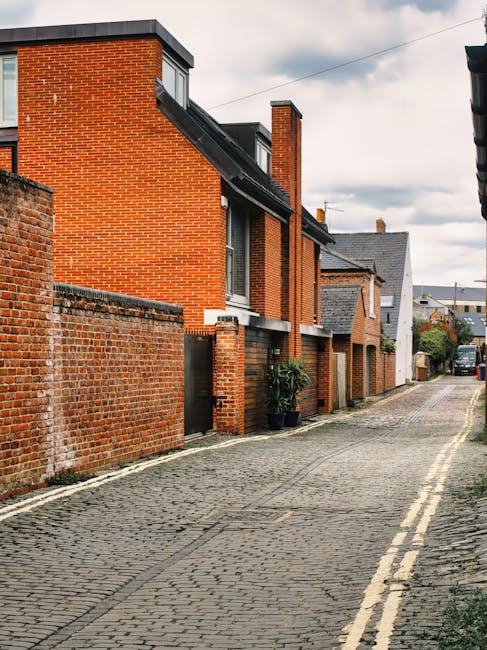
Pitshanger Lane has a very specific kind of London character. It is busy, residential, and full of the little practical frictions that matter on moving day. Cars are often parked close to junctions. Pavements can be narrow. Driveways, where they exist, may not suit a larger vehicle or a multi-van setup. And if you arrive without thinking through access, you can burn time before the first sofa even leaves the front room.
That matters for three reasons. First, time. A move on a tight street tends to take longer than a move on a wide road, even when the property size is identical. Second, safety. The more squeezing, reversing, carrying, and waiting you do, the greater the risk of bumps, scrapes, and tired mistakes. Third, neighbour relations. On a street where everyone notices when a van blocks the way, a smooth and tidy operation goes a long way. Nobody wants to be "that move" people still talk about three days later.
Local planning also matters because many house moves are not just about transport. They involve access management, item protection, and timing the move to reduce disruption. A good removal approach near Pitshanger Lane is often less about brute force and more about calm logistics. That is why professional support can be useful, especially if you are comparing man with a van in Ealing, a larger removal van option, or a more structured removal service.
Key takeaway: on tight streets, a move succeeds or fails on access planning, not just lifting power.
How Pitshanger Lane house removals local tips for tight streets Works
A well-run move on a narrow street follows a simple logic: assess, reduce, position, load, and leave cleanly. That sounds basic, but in practice each stage needs a bit of thought. The biggest difference between an easy day and a headache is often whether someone asked the right questions early enough.
In practical terms, the process usually starts with a quick look at the property and the route in and out. Can a van stop close to the entrance? Is there space to open rear doors without blocking a junction? Will you need a second person to watch traffic while items are carried? These are small questions, but they shape the entire move.
Next comes vehicle selection. On a street like Pitshanger Lane, a smaller, more manoeuvrable vehicle can sometimes be smarter than the biggest van available. A compact vehicle may need fewer positioning adjustments and can reduce the chance of obstructing neighbours. But if you have a full household of furniture, choosing too small a van creates extra trips. That's the balance, and it is worth getting right.
After that, the loading strategy matters. Items should be grouped by fragility and size, with the heaviest pieces planned first. If access is tight, you want the heaviest items closest to the exit, ready to go in a logical sequence. It sounds dull. It is dull. And it saves time, which is lovely.
If you are moving a flat as part of a wider house move, the same principles apply, though stair access, lifts, and shared entrances can add another layer. In those cases, a flat removals service may be a better fit than assuming a standard house move setup will do the job neatly.
Key Benefits and Practical Advantages
When you plan properly for a tight street, the benefits show up in ways you notice immediately on the day.
- Less waiting around: the crew spends more time moving items and less time repositioning the vehicle.
- Lower risk of damage: fewer awkward turns and fewer rushed carries mean a safer move for furniture and walls.
- Better neighbour cooperation: a move that keeps the road clear where possible tends to draw less frustration.
- Cleaner timing: the schedule becomes more predictable when access is understood in advance.
- Less stress: this is the one people underestimate. A calm start changes the whole tone of the day.
There is also a financial angle, even if nobody likes talking about it too early. Poor access can increase labour time, lead to extra trips, or create last-minute changes. That may affect the quote or the way the job is structured. Clear access notes help a removals company plan correctly from the outset, which is usually better for everyone.
For people who want to compare budget and scope options, it can help to review pricing and quotes before booking. You may also find it useful to read about removal companies in Ealing if you are weighing different levels of support.
Who This Is For and When It Makes Sense
This advice is useful for a lot of people, not just those living directly on Pitshanger Lane. If your property is on one of the nearby residential roads, cul-de-sacs, or streets with limited parking, the same principles apply. Tight access is tight access, whatever the postcode says on paper.
It makes sense if you are:
- moving from a terraced house or semi-detached home with limited front space
- living in a property with only street parking
- handling a family move with larger furniture and more boxes than expected
- moving a short distance but still needing careful loading and unloading
- arranging a same-day or short-notice move
- trying to move without causing road blockage or neighbour complaints
It is also relevant if you are moving valuable or awkward items. For example, a large dining table, a bookcase that has survived two house moves already, or a piano that makes everyone suddenly look very serious. If you have specialist items, you may need a more tailored approach such as furniture removals in Ealing or piano removals in Ealing.
One small but important point: if your move is happening under time pressure, a focused service like same day removals in Ealing can sometimes be the practical answer, provided access is checked properly first. Tight streets punish poor timing. Always.
Step-by-Step Guidance
Here is a practical way to handle a Pitshanger Lane move without letting the street dictate the whole day.
- Walk the access route first. Check the front path, steps, doorway width, pavement space, and where a van can actually pause. Do this in daylight if possible. You notice more at 9am than you do while carrying a kettle at 7pm.
- Measure large items. Sofas, beds, wardrobes, and white goods should be measured before moving day. A few centimetres can decide whether an item can be carried straight out or needs partial dismantling.
- Declutter before boxing. Every unnecessary item adds time. If something is broken, unused, or not worth the effort, sort it out before the move. Reuse or recycling options can help here.
- Book the right vehicle size. If the road is narrow, a smaller removal van may be easier to position. If the property is larger, make sure the vehicle still has enough capacity for a sensible load plan.
- Pack by priority. Label boxes clearly by room and fragility. Put essentials in one easy-to-reach set of boxes so you are not searching for phone chargers and toiletries at the back of the van later.
- Reserve space where possible. If your street access is especially tricky, plan for a clear loading point. If you cannot reserve parking formally, at least work out the most realistic stopping location and keep neighbours informed.
- Protect the route inside the property. Floor runners, corner protection, and door protection are worth the effort when items are being carried repeatedly in and out.
- Load in the right order. Heavy and stable items first, fragile boxes higher up or separately, and items needed first at the destination near the rear or the easiest exit point.
- Do a final sweep. Check lofts, sheds, cupboards, under beds, and any last forgotten drawers. There is always one drawer. Somehow.
- Leave the street tidy. Collect packing waste and keep the pavement as clear as possible. It is a small thing, but it matters on a busy residential lane.
If you are coordinating the whole process with a team, a structured house removals service can help reduce the number of decisions you need to make on the day. And frankly, that can feel like a relief before breakfast.
Expert Tips for Better Results
These are the little things that tend to separate an average move from a smooth one.
Tip 1: Aim for an earlier start. Morning moves are usually calmer. Traffic is often lighter, neighbours are less likely to be in the middle of their day, and everyone has more patience before the afternoon drags in. You can almost hear the difference sometimes.
Tip 2: Keep the front door zone clear. The biggest bottleneck on a tight street is usually not the van. It is the half metre between your doorway and the pavement. Keep that area free of clutter, shoes, bags, and loose packaging.
Tip 3: Separate the essentials kit. Put keys, chargers, documents, tea bags, a bottle of water, and a few tools in one bag. That one bag saves an absurd amount of stress.
Tip 4: Wrap awkward furniture before move day. Do not wait until the van arrives to realise the wardrobe mirror needs protection. If you need extra supplies, a dedicated packing and boxes service can be helpful for planning the right materials.
Tip 5: Ask about access before you book. A good mover will want to know about stairs, parking, road width, and property layout. If nobody asks, that is not ideal. You want a company that thinks ahead, not one that discovers the problem when the rear doors are already open.
Tip 6: Build in a buffer. On tight streets, things can take longer than expected. A delivery van may be in the way. A neighbour may need to leave. A bin lorry may appear at exactly the wrong minute. Buffer time is not pessimism; it is sanity.
Tip 7: Think about storage if timing does not line up. If completion, keys, and access are awkwardly staggered, short-term storage can bridge the gap neatly. In that case, a storage option in Ealing may prevent a rushed or split move.

Common Mistakes to Avoid
Most moving problems on tight streets are avoidable. They usually come from the same few missteps.
- Booking the wrong size vehicle: too large and you cannot position it; too small and you make extra runs.
- Ignoring parking realities: a street that looks okay from memory can feel very different with a van attached to it.
- Leaving packing too late: rushed boxes are a recipe for broken items and slowed loading.
- Not measuring furniture: this is especially risky for sofas, beds, and wardrobes.
- Forgetting access inside the house: narrow hallways, low ceilings, and tight stairs can matter just as much as the road outside.
- Not warning neighbours: a quick heads-up can reduce friction. It is basic courtesy, but it goes a long way.
- Assuming every mover handles tight streets the same way: they do not. Experience matters.
Another common mistake is trying to force a perfect move into an imperfect street. Sometimes the better answer is to use a different van size, a split load, or a more flexible schedule. That is not failure. That is just good judgement.
Tools, Resources and Recommendations
You do not need fancy equipment, but a few practical tools can make a noticeable difference.
- Measuring tape: for checking doors, furniture dimensions, and tight corners.
- Labels and markers: for room-by-room box identification.
- Furniture blankets and wrap: to protect wood, paintwork, and glass.
- Basic toolkit: useful for dismantling bed frames, tables, and shelves.
- Trolley or sack truck: very helpful if access allows it and the route is safe.
- Floor and door protection: especially useful in older houses with characterful but easily marked surfaces.
As for planning resources, it helps to review moving-related information before you commit. The about us page can give you a sense of how a provider approaches the job, while insurance and safety matters if you are moving high-value items or want peace of mind. If you are still comparing the scope of help you need, the man and van in Ealing option may suit smaller moves, while a fuller removal setup may be better for family homes.
Sometimes people underestimate how much easier life gets when boxes are properly packed. It sounds obvious, but the difference between a clearly labelled box and a mystery box full of cables, books, and one saucepan lid is huge.
Law, Compliance, Standards, or Best Practice
For house removals in London, the legal and practical side is mostly about doing things safely, responsibly, and without creating avoidable problems for others. You do not need to memorise transport law to get this right, but a few principles are worth keeping in mind.
First, vehicles should be parked and loaded in a way that does not create an unnecessary obstruction or danger. On a busy residential lane, this means planning loading points carefully and keeping sight lines as clear as possible. If a move needs special access or parking consideration, it should be handled in a way that respects local conditions and any applicable restrictions.
Second, lifting and carrying should be done with proper care. That is not just about avoiding sore backs. It is about using sensible load weights, good team communication, and avoiding risky shortcuts. A professional mover should think in terms of safe manual handling rather than speed alone.
Third, insurance and contract terms matter. Before booking, it is sensible to check what is covered, what preparation is expected from you, and how damage or delays are handled. The details can feel boring at first glance, but they are the boring details that protect everyone later. If you want to understand the framework better, reviewing the site's terms and conditions and health and safety policy can be useful.
Finally, sustainability is increasingly part of best practice. Reusing packing materials where possible, recycling unwanted items, and reducing unnecessary trips are all sensible choices. They are not dramatic, just practical. A small thing, but the right small thing.
Options, Methods, or Comparison Table
Different moving approaches suit different properties. On Pitshanger Lane and similar streets, the right choice often comes down to size, access, and how much help you actually need.
| Option | Best for | Strengths | Limitations |
|---|---|---|---|
| Man with a van | Small to medium moves, lighter loads, short distances | Flexible, often easier to position on tight roads | May not suit a full family house or bulky furniture |
| Removal van with team support | Larger moves or properties with more furniture | Better capacity, more structured loading | Needs more careful access planning on narrow streets |
| Full house removals service | Busy households, multiple rooms, complex moves | More comprehensive support, less personal workload | Usually needs more detailed scheduling and preparation |
| Self-managed move | Very small moves or people with a lot of time and help | Control over timing and packing | Highest risk of stress on tight streets and hard parking |
If you are unsure which route fits your move, the honest answer is to choose the least complicated option that still handles your furniture properly. Most people do better with a slightly more organised solution than with a heroic DIY plan that looks brave and feels awful by 11am.
Case Study or Real-World Example
Here is a realistic example based on the kind of move people often face around Pitshanger Lane.
A family moving from a three-bedroom house had a mix of boxed belongings, a large sofa, two beds, a dining table, and children's items that somehow multiplied overnight. The street outside the property was narrow and already busy with resident parking. On the surface, it looked manageable. In reality, a larger van would have struggled to stop neatly without causing hassle.
The solution was simple but effective. They packed ahead of time, separated essentials into one clearly marked group, and arranged the load so heavier items came out first. The mover used a smaller vehicle for easier positioning, and the team kept the loading sequence tight and predictable. Neighbours were told in advance, which helped, and the front path was cleared before the van arrived.
Nothing dramatic happened. That was the point. No last-minute panic, no awkward back-and-forth, no broken lamp in the hallway. The move still took effort, of course. Moves do. But the street stopped being the main problem.
This is what good local moving advice does. It does not eliminate work. It removes unnecessary friction. And that is enough to change the day.
Practical Checklist
Use this checklist a day or two before moving time. It will not solve everything, but it helps keep the day sane.
- Measure the largest furniture and check doorway widths
- Confirm the van size and access requirements
- Clear the hallway, porch, and front path
- Pack essentials separately and label them clearly
- Protect fragile items with proper wrapping
- Tell neighbours about the move if parking may be affected
- Check if any items need dismantling before loading
- Keep keys, documents, chargers, and medicines in one safe bag
- Set aside recycling and unwanted packing waste
- Do a final room-by-room sweep before leaving
Useful reminder: if the move feels especially complicated, talk through the access issues early rather than hoping they will sort themselves out. They rarely do.
Get a free quote today and see how much you can save.
Conclusion
Pitshanger Lane house removals are very doable, even on tight streets, as long as you treat access planning as seriously as packing. The road, the van, the route through the house, and the timing all work together. If one piece is weak, the whole day feels harder than it needs to.
The good news is that most of the stress can be reduced with a bit of local awareness and a practical plan. Measure first, pack clearly, choose the right vehicle, and keep movement routes simple. If you do that, the street becomes part of the plan rather than the thing that ruins it.
And once the boxes are in, the kettle is on, and the last bit of tape is peeled off your fingers, you will be glad you planned properly. Honestly, that quiet first cup in a new home is worth the effort.

As a removals expert, Paul is proficient in writing informative articles on all aspects of removals, offering practical tips for packing and unpacking. His expertise has contributed to hundreds of individuals enjoying seamless and stress-free moves.


