Health and Safety Policy for Ealing Man And Van
 This Health and Safety Policy sets out the principles and working standards used by Ealing Man And Van to protect staff, customers, visitors, and the public during removals, deliveries, loading, unloading, and transport activities. The aim is to reduce risk, prevent injury, and make every move as safe and controlled as possible. We are committed to maintaining a workplace culture where safety is not treated as an extra task, but as a core part of every job.
Our policy applies to all operations carried out under the name man and van Ealing, including home moves, small business relocations, furniture transport, and single-item collections. We recognise that lifting, carrying, and moving goods can create hazards if tasks are rushed or poorly planned. For that reason, every job is assessed before work begins, and reasonable steps are taken to eliminate or reduce risks wherever possible.
At the heart of this policy is the expectation that everyone involved in a move will act responsibly. Team members must follow safe working practices, use equipment correctly, and report anything that could cause harm. Customers are also encouraged to help by ensuring access routes are clear, fragile items are identified, and parking or entry arrangements do not create unnecessary danger.  Clear communication is essential, especially when handling bulky, heavy, or awkward items.
Responsibilities and Safe Working Standards
Management has overall responsibility for health and safety within Man and Van Ealing operations. This includes providing suitable training, maintaining equipment, reviewing incidents, and ensuring that work is carried out in line with current safety expectations. Supervisors and team leaders must monitor conditions on site, check that loads are secure, and stop work if a situation becomes unsafe.
Employees and contractors are expected to take reasonable care for their own safety and for the safety of others. This includes wearing appropriate footwear, using gloves where needed, and following manual handling procedures. Unsafe shortcuts are not acceptable, even when jobs are time-sensitive. If a task appears too risky to complete safely, it must be paused until a better method is identified. The same standard applies whether the job involves a full house move or a small item transport service.
 Every move should begin with a basic risk assessment. This includes checking stairs, doorways, narrow hallways, uneven surfaces, weather conditions, lighting, and the size or weight of the items being handled. Where possible, mechanical aids, trolleys, straps, blankets, and other protective equipment should be used to reduce strain and avoid damage. Items should be lifted with care, kept close to the body, and moved by using stable footing and controlled movements.
Vehicle, Loading, and Transport Safety
Vehicles used by Ealing Man And Van must be kept in good working order and checked regularly for signs of wear, damage, or mechanical issues. Tyres, brakes, lights, mirrors, and load areas should be inspected before use. Loads must be distributed evenly and secured properly to prevent shifting during transit. A well-organised vehicle layout helps reduce movement, protects items, and lowers the risk of sudden load instability.
Loading and unloading are among the highest-risk stages of any removal work, so careful method and teamwork are essential. Heavier items should be placed first and positioned to create a stable base. Fragile or valuable items must be separated and protected with suitable wrapping or padding. If visibility is limited, extra care must be taken when reversing, parking, or moving in confined spaces. Safety always comes before speed, and no item should be carried in a way that endangers the crew or the public.
Where a move involves stairs, long carries, or difficult access, the team should adapt the process rather than forcing unsuitable handling methods. This may mean splitting loads, using additional staff, or planning a different route. Any item that is too heavy, too unstable, or too awkward to move safely must be reassessed. 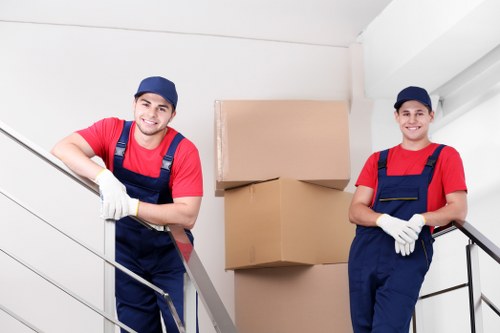 The objective is to complete the job without avoidable strain, damage, or injury, while preserving a professional standard of care throughout.
Training, Incident Reporting, and Review
All team members receive proportionate training in manual handling, safe driving, hazard awareness, and basic emergency response. Training is refreshed when procedures change or when a recurring risk is identified. Staff should be familiar with the correct use of lifting techniques, securing methods, and protective tools. A strong safety culture depends on regular learning and a shared understanding that prevention is better than correction.
Any accident, near miss, injury, or damage incident must be reported promptly and recorded accurately. Reports help identify patterns and support improvements in future work. If an incident occurs, the immediate priority is to make the area safe, provide assistance if needed, and prevent the situation from worsening. Management will review the event and take action where required, which may include updating procedures, improving equipment, or offering additional instruction.
 This policy is reviewed periodically to ensure it remains effective, practical, and suitable for the nature of the work carried out by Ealing Man And Van. We aim to uphold a reliable standard of health and safety across every task, from planning to completion. By maintaining good communication, careful handling, and consistent attention to risk, our team supports safe, efficient, and responsible removals for every customer.