Ealing Broadway office removals for shops and businesses
Posted on 07/08/2026

Moving a business is rarely just about boxes and a van. If you are planning Ealing Broadway office removals for shops and businesses, you are probably juggling trading hours, stock, staff, customers, and the simple fact that the work still has to get done while the move is happening. That is the real challenge. Not the lifting. The timing.
In a busy part of West London like Ealing Broadway, even a short move can become complicated if you do not plan the loading point, protect stock, label equipment properly, and keep disruption under control. The good news? With a sensible process, the move can feel orderly rather than chaotic. This guide walks you through what it involves, how it works, where businesses usually go wrong, and how to keep your shop, office, or workspace moving without the usual headaches.
If you need a broader look at available support, it can help to review the services overview and the dedicated office removals in Ealing page before you make decisions.
Why Ealing Broadway office removals for shops and businesses Matters
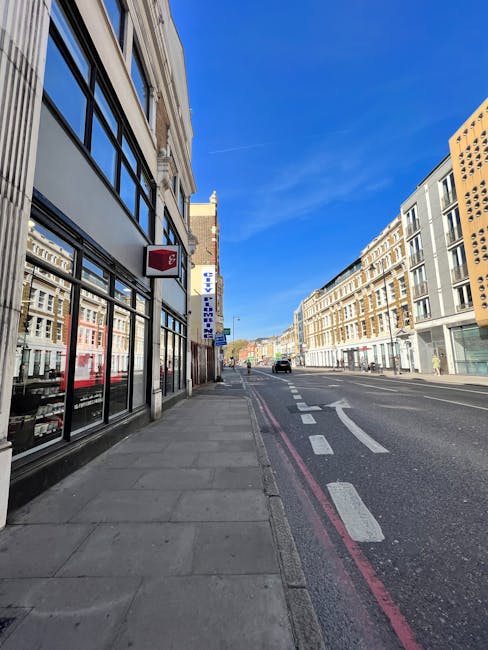
Ealing Broadway sits in a part of London where trade, footfall, commuting, and local logistics all overlap. That sounds harmless enough until you are trying to move a retail unit, a salon, a consultancy office, or a small practice and the front door is not exactly designed for easy access. Many business moves in this area are not large-scale corporate relocations. They are practical, time-sensitive transitions where one lost day can mean missed sales, frustrated customers, or staff sitting around waiting for the internet to come back on. Not ideal.
For shops, the biggest issue is often stock continuity. For offices, it is usually equipment, files, and the need to restart quickly. For mixed-use businesses, it can be both at once. That is why a business move is really a continuity project, not just a transport job. The move should protect revenue, reduce downtime, and keep your team calm enough to function. Calm matters more than people think.
There is also the local factor. Busy high streets, restricted parking, narrow loading space, and time-limited access can all slow things down. A mover who understands the rhythm of Ealing Broadway is more likely to plan sensible arrival windows, vehicle positioning, and carrying routes. That is the difference between a move that feels rushed and one that feels controlled.
To make planning easier, some business owners also look at removal companies in Ealing and flexible removal services when they need a slightly broader service mix than a simple point-to-point transfer.
How Ealing Broadway office removals for shops and businesses Works
A good commercial move usually begins with an assessment, even if it is a light one. You do not always need a grand survey. But you do need someone to understand what is being moved, how fragile it is, whether assembly or disassembly is required, and whether access is awkward. In our experience, the best moves start with an honest conversation about volume, timing, and the constraints of the building. The more specific you are, the better the plan.
The process normally follows a few clear stages:
- Inventory and planning: list furniture, stock, equipment, archives, and specialist items.
- Access review: check entrances, stairs, lifts, parking, and any loading restrictions.
- Packing and labelling: group items by department, destination room, or usage priority.
- Move-day protection: use blankets, wraps, crates, and proper lifting methods.
- Transport and placement: deliver items in a logical order so reopening is easier.
- Set-up and follow-through: reassemble, position, and clear away waste where agreed.
For smaller businesses, especially shops and compact offices, a man with a van in Ealing style service can be useful when the move does not justify a large commercial removal operation. For bigger or more complex jobs, a dedicated removal van in Ealing with enough loading space and the right handling equipment makes more sense.
There is also a practical distinction between a move that happens all in one go and a phased move. A phased move can mean the stock room goes first, then the back office, then the public-facing items. It is slower, yes, but often smarter. Especially if you are trying not to spook customers by looking half-shut for three days straight.
Key Benefits and Practical Advantages
People often think the benefit of professional removals is simply convenience. That is part of it, but not the whole story. The real value is in reducing the hidden costs of disruption.
- Less downtime: a planned move gets you back to trading or working sooner.
- Better protection: trained handling reduces the risk of damage to stock, devices, fixtures, and furniture.
- Smarter sequencing: items arrive in the right order, which helps staff settle quickly.
- Lower stress on the team: employees can keep doing their actual jobs instead of becoming accidental porters.
- Cleaner handover: the old site can be vacated more neatly, which is useful if you are returning keys or ending a lease.
For customer-facing businesses, there is a subtle but important benefit too: continuity of appearance. If you can reopen with signage, stock, and layout largely intact, customers experience a business transition rather than a disruption. That matters more than people admit. A half-finished move can make a business look uncertain, even if the underlying service is strong.
There may also be cost savings when the job is planned properly. Less unnecessary van movement. Less time spent searching for missing items. Less damage. Less panic buying replacement packaging at the last minute. Little things, but they add up.
If storage becomes part of the plan, storage in Ealing can be a useful bridge when you need stock or furniture kept safe between sites.
Who This Is For and When It Makes Sense
This topic covers more than traditional offices. In fact, many of the businesses moving around Ealing Broadway are not "office-only" at all.
- Retail shops: clothing, gifts, phone accessories, wellness products, and other street-facing stores.
- Professional offices: accountants, solicitors, recruiters, designers, and small agencies.
- Beauty and personal service businesses: salons, studios, treatment rooms, and mixed-use workspaces.
- Cafes or hospitality-adjacent premises: where equipment, shelving, and stock need careful handling.
- Start-ups and small teams: businesses scaling up from a tiny workspace to somewhere more practical.
It makes sense to book a commercial move when staying open in the old space would be awkward or when the new site needs a precise setup. Sometimes the trigger is simple: rent increases, a lease change, or the need for better footfall. Other times it is operational. The office has grown beyond the available space, the stockroom is cluttered, or the team is tripping over each other on Mondays. Very relatable.
If your move involves a smaller load and a short distance, a man and van in Ealing arrangement may be perfectly practical. If you are moving substantial office furniture, specialist stock, or multiple workstations, then a more structured removals service in Ealing is usually the safer bet.
Step-by-Step Guidance
Here is the cleanest way to approach a business move near Ealing Broadway without turning it into a week-long drama.
- Fix the move date early. Avoid leaving it until the last minute, especially if your business depends on customer appointments or daily opening hours.
- Audit what is moving. Write down desks, shelving, tech, stock, POS equipment, signage, and anything fragile.
- Separate essentials from non-essentials. Keep first-day items easy to access: chargers, keys, paperwork, till floats, labels, and cleaning materials.
- Plan parking and access. In busy parts of Ealing Broadway, the vehicle position can matter more than the actual distance between doors.
- Pack by function, not by convenience. A box marked "misc" is rarely helpful on reopening day. Ask me how I know. Well, no need.
- Tell staff the sequence. Who clears shelves? Who backs up files? Who checks the final rooms? Everyone should know their job.
- Protect fragile and high-value items. Screens, glass shelving, branded displays, and specialty stock need extra care.
- Confirm set-up at the new site. Decide where items go before the van arrives. Guessing on the day slows everything down.
- Check the old premises. Walk through every room before leaving. Drawers, sockets, cupboards, the lot.
- Keep a post-move list. A few small tasks always remain: labels, rubbish removal, reassembly, and last-minute cable routing.
For packing support, the packing and boxes in Ealing page is worth a look if you want help with crates, cartons, and sensible packing materials. Business packing sounds simple until you realise a till receipt printer, a glass shelf, and a laptop charger each need a different approach.
Practical summary: the businesses that move well are not the ones that pack fastest. They are the ones that label clearly, keep priorities straight, and leave enough time for the awkward little jobs that always appear at the end.
Expert Tips for Better Results
A few small decisions can make a business move feel almost dull in the best possible way.
- Move in layers: pack low-priority stock first, then back-office items, then the things needed for opening day.
- Use colour coding: one colour for stock, another for office files, another for fragile items. It is simple and surprisingly effective.
- Photograph cable setups: take quick phone photos of desks, printers, monitors, and signage before disconnecting them.
- Keep customer-facing items close: branded displays, menus, price boards, brochures, and signage should not disappear into random boxes.
- Check access before the van arrives: if a loading bay is unavailable, the whole schedule can wobble.
- Protect weekend turnover: many businesses prefer Friday evening or Sunday moves so Monday can be more or less normal.
A good mover will usually suggest practical ways to reduce damage and downtime. They may also recommend a smaller vehicle for tighter streets or a second trip if it keeps the load safer. That is not inefficiency. It is judgement. And sometimes judgement is the real service people are paying for.
For time-sensitive jobs, same-day removals in Ealing can be useful when a landlord deadline, a sudden vacancy, or a last-minute operational change leaves you little breathing room. Obviously, same-day moves work best when the load is modest and the access is straightforward.
You may also want to review the provider's approach to insurance and safety. If there are monitors, glass units, or valuable retail items, it is worth knowing how protection is handled before moving day, not after something has already slipped.
Common Mistakes to Avoid
Business removals tend to go wrong in fairly predictable ways. Thankfully, most are avoidable.
- Underestimating volume: shops often have more stock and packaging than they realise.
- Leaving packing too late: the final evening before the move is no time to start labelling cables.
- Ignoring access restrictions: parking and loading are frequently the thing that slows a move, not the lifting itself.
- Forgetting IT and internet setup: a beautiful new office is not much use if staff cannot log in.
- Not briefing the team: confusion usually starts when everyone assumes someone else handled it.
- Mixing stock with office items: if you sell products, keep business documents and sellable goods separate.
- Skipping a final walk-through: cupboards, toilets, basements, and rear rooms are easy to miss.
One of the sneakiest mistakes is trying to make a commercial move look like a casual house move. It is not the same thing. Shops and businesses have more moving parts, more sensitivity to downtime, and often more pressure on timing. If a desk arrives in the wrong room at home, it is annoying. If a till system is missing on opening day, that is a different story altogether.
If your move includes mixed household and business items, you may also find the broader house removals in Ealing information helpful for understanding how a general move is typically structured. Different context, same principle: clarity saves time.
Tools, Resources and Recommendations
You do not need a warehouse full of equipment to manage a good move. But a few tools make life much easier.
- Label makers or bold markers: useful for box destinations and urgency levels.
- Furniture blankets and wraps: essential for protecting desks, shelving, and retail fittings.
- Document boxes: better than loose files or flimsy carrier bags, which always seem to split at the worst moment.
- Zip bags for screws and fittings: tape each bag to the relevant furniture piece where possible.
- Inventory sheet: a basic spreadsheet or printed checklist keeps everyone honest.
- Phone camera: simple, fast, and surprisingly valuable for setup reference.
When choosing support, look for a team that is transparent about timing, vehicle size, handling methods, and what happens if access is awkward. The pricing and quotes page is useful if you want to understand how estimates are normally approached before booking.
For businesses that care about disposal and packaging waste, recycling and sustainability may also matter, especially when a move creates a pile of old packaging, unwanted display units, or out-of-date stock packaging. A tidy exit is better for everyone.
And if you want to understand the company itself before trusting them with your premises, the about us page can give you a better sense of their working style and values.
Law, Compliance, Standards, or Best Practice
Commercial moves are mostly a logistics task, but a few UK business duties and best-practice points are worth keeping in mind. This is not legal advice, and specific obligations can vary, but a careful business owner should think about:
- Health and safety: manual handling, trip hazards, and safe lifting matter during packing and transport.
- Risk assessment: especially if staff are helping with the move or if valuable items are involved.
- Data protection: files, devices, and storage media should be moved and secured properly.
- Lease or tenancy requirements: many premises need to be returned in a certain condition.
- Insurance checks: confirm what is covered before goods leave the building.
Best practice usually means keeping a simple paper trail: inventory, move date, access notes, and contact names. It sounds basic, but it helps when there is a problem on the day and everyone is trying to remember who said what. Less drama, more records.
For businesses with staff involved in packing or carrying, a sensible approach to health and safety policy is worth following in spirit even if the job is small. The main aim is to prevent avoidable strain, falls, and damage. That is plain common sense, really.
You should also review any relevant terms and conditions before confirming a move, especially around timing, access, cancellations, and what is expected at collection and delivery.
Options, Methods, or Comparison Table
There is no single right way to handle a shop or office move. The best option depends on volume, urgency, budget, and how sensitive your business is to downtime.
| Option | Best for | Strengths | Limitations |
|---|---|---|---|
| Man and van | Small offices, light stock, short local moves | Flexible, quick to arrange, cost-conscious | May not suit large furniture volumes or complex setups |
| Dedicated removal van | Medium-sized business moves with furniture and equipment | Better load space, more structure, safer for bulkier items | Usually needs more planning than a very small move |
| Phased relocation | Shops and offices that must keep trading or remain partially open | Reduces disruption, easier on staff and customers | Can take longer and needs more coordination |
| Storage-assisted move | Businesses waiting on fit-out, lease handover, or space changes | Creates breathing room and protects items between sites | Adds another step and another decision point |
If you are unsure which route fits best, start by asking how much must move on day one. That single question usually clarifies everything. A business that needs to reopen immediately may prefer a phased or storage-assisted approach, while a small team with light loads may be fine with a straightforward van move.
Case Study or Real-World Example
Imagine a small retail-and-office hybrid near Ealing Broadway: a ground-floor shopfront with a back room used for admin, stock, packaging, and a couple of workstations. The business wants to relocate a few streets away to a slightly larger unit with better visibility and storage. Simple on paper. In reality, the move includes display shelves, unopened stock, two desks, a label printer, boxed records, mirrors, and fragile branded signage.
The smart approach would be to split the move into priorities. First go the admin equipment, key files, and enough stock to reopen. Then the display fixtures and non-essential items. Finally, the remaining back-room storage once the new layout is stable. The business could keep operating on a reduced basis during the transition and avoid the very unhelpful experience of having every item arrive in one muddled heap.
What made the difference? Not a bigger truck. Planning. The team knew what had to be accessible first, who was responsible for sign-off, and where every box was meant to end up. Nothing glamorous. Just steady, sensible coordination. And yes, the coffee machine was one of the first things unpacked. A perfectly rational decision.
If the business had needed an interim holding point, storage in Ealing would have given them breathing room while fit-out work finished. That is often the quiet solution behind a move that looks effortless from the outside.
Practical Checklist
Use this checklist before the van arrives. It is not fancy, but it works.
- Confirm move date and access times.
- List all furniture, stock, equipment, and fragile items.
- Back up important digital files.
- Label boxes by room, department, or priority level.
- Set aside first-day essentials separately.
- Protect screens, glass, and branded fixtures.
- Arrange parking or loading instructions.
- Tell staff what they need to do and when.
- Check whether anything needs dismantling and reassembly.
- Prepare keys, alarms, and site contacts for both premises.
- Walk through the old site before final departure.
- Confirm where everything goes at the new site.
- Keep a small clean-up kit nearby for dust, tape, and packaging waste.
If you are unsure about materials, the packing and boxes in Ealing page can help you think through what you may need before moving day rather than during the panic stage. Which, to be fair, is the stage everybody tries to avoid.
Get a free quote today and see how much you can save.
Conclusion
Ealing Broadway office removals for shops and businesses work best when they are treated as a business continuity task, not just a transport job. That mindset changes everything. You plan more carefully, protect your stock and equipment better, and keep disruption under control. Whether you are moving a small office, a retail unit, or a mixed-use workspace, the same principles apply: know what is moving, know when it needs to be ready, and keep the process organised from the start.
A good move should leave you feeling relieved, not flattened. A bit tired, sure. Everyone is. But not disoriented. Not wondering where the charger box went or why the till is in the wrong room. If you get the planning right, the move becomes just another step in the business journey, not the thing that derails the week.
And that is usually the real goal: to get settled, reopen smoothly, and get back to serving customers without fuss. Simple on paper, a little less simple in real life, but absolutely doable.

As a removals expert, Paul is proficient in writing informative articles on all aspects of removals, offering practical tips for packing and unpacking. His expertise has contributed to hundreds of individuals enjoying seamless and stress-free moves.


